

 Facebook
 X
X
 Pinterest
 Copy Link
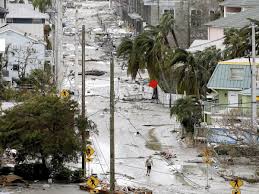
As Tampa Bay continues rebuilding from the 2024 hurricane season, another deadline-driven storm is rolling in. Florida law now requires property owners to report any supplemental or newly discovered damage within 18 months of the date of loss. Miss that window, and your claim is simply barred. No appeal to sympathy, no second chances.
For context, the deadline for Hurricane Helene has already passed (March 26), and Hurricane Milton’s cutoff is April 9. That’s not a suggestion. That’s a hard stop.
Why This Is Catching People Off Guard
Not long ago, Florida didn’t impose strict deadlines like this. Now, property owners must:
- Report an initial claim within 1 year
- File any supplemental claims within 18 months
The logic was to speed up the claims process and reduce late filings. In reality, damage doesn’t always cooperate with a calendar. Roof issues, slow leaks, and structural problems often show up months later, especially after heavy summer rains.
Seasonal residents are in an even tougher spot. Imagine returning to Florida, noticing damage, and realizing the deadline quietly passed while you were gone.
More Responsibility, Less Protection
For HOAs and condo associations, these deadlines aren’t just inconvenient. They raise serious fiduciary responsibilities. Missing a deadline could mean failing the people you’re supposed to protect financially.
At the same time, the legal landscape has shifted. In 2023, Florida eliminated a law that allowed property owners to recover attorney’s fees when they won against insurance companies. Translation: even if you’re right, you might still pay out of pocket to prove it.
Paying More, Getting Less
Meanwhile, insurance policies themselves have changed, and not in your favor:
- Water damage limits: Often capped around $10,000, even if repairs cost far more
- Matching limitations: Coverage for undamaged materials may be restricted to a small percentage of total value
- Roof depreciation schedules: Older roofs may only receive partial reimbursement instead of full replacement cost
So yes, premiums are rising. Coverage is shrinking. And expectations are… optimistic at best.
What Property Owners Should Actually Do
This isn’t the moment to assume everything is fine because nothing obvious is dripping from the ceiling.
- Conduct thorough inspections (yes, even if things look okay)
- Review your policy details carefully
- Act quickly if you discover additional damage
- Bring in qualified professionals when needed
Florida’s insurance system has gone through one of the biggest overhauls in decades, and the burden has shifted squarely onto property owners. Awareness and timing now matter just as much as the damage itself.
Because once that statutory deadline passes, so does your ability to recover. And unlike a hurricane, there’s no warning siren for that.


